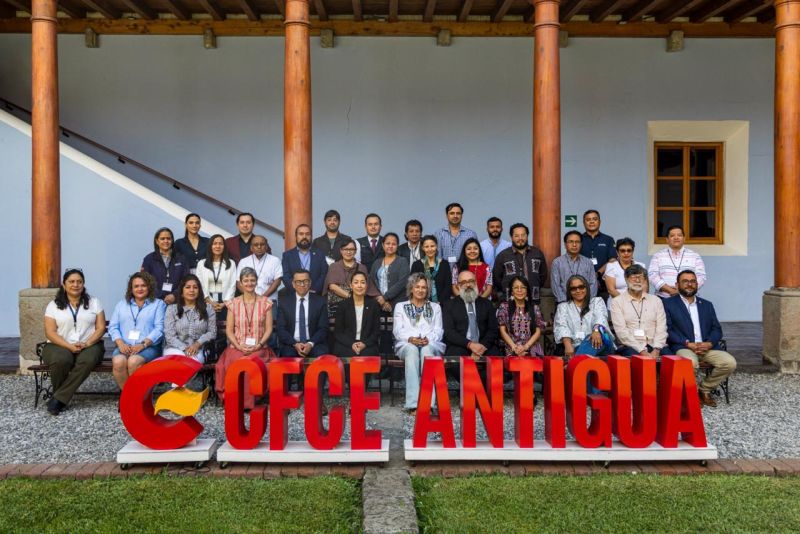
First National Meeting of World Heritage Managers in Guatemala strengthens the management of Outstanding Universal Value
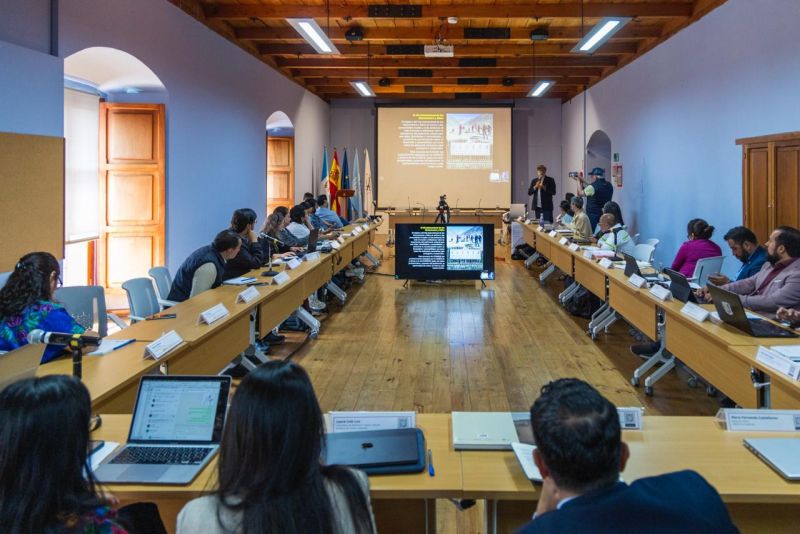
The First National Meeting of World Heritage Managers: Strengthening the Management of Outstanding Universal Value, was held on April 16 and 17, 2026, at the Spanish Cooperation Training Center in Antigua Guatemala. The meeting was co-organized by the Ministry of Culture and Sports of Guatemala and the Regional World Heritage Institute in Zacatecas (RWHIZ), in coordination with the Spanish Cooperation Training Center in Antigua Guatemala, and is part of the regional efforts aimed at implementing the Action Plan for Latin America and the Caribbean (2023–2029).
The event brought together cultural authorities, specialists, and managers of World Heritage sites from Guatemala in a space for technical dialogue, exchange of experiences, and reflection on the main challenges and opportunities for the effective management of Outstanding Universal Value.
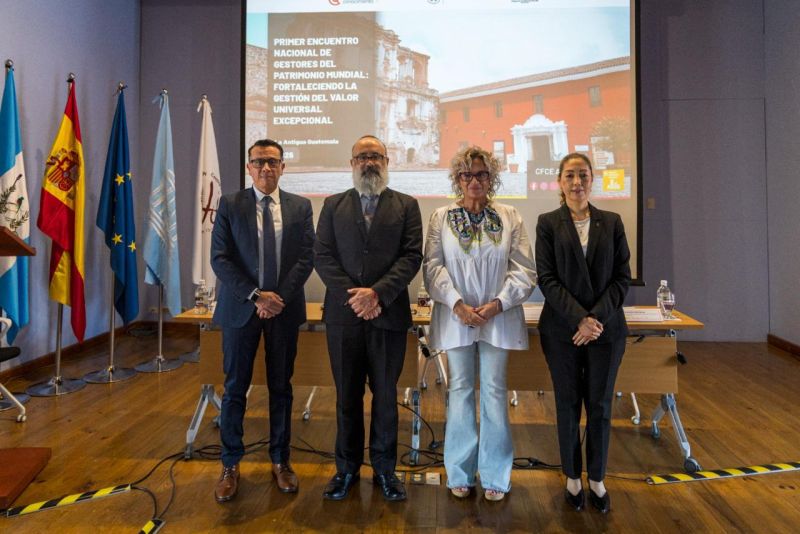
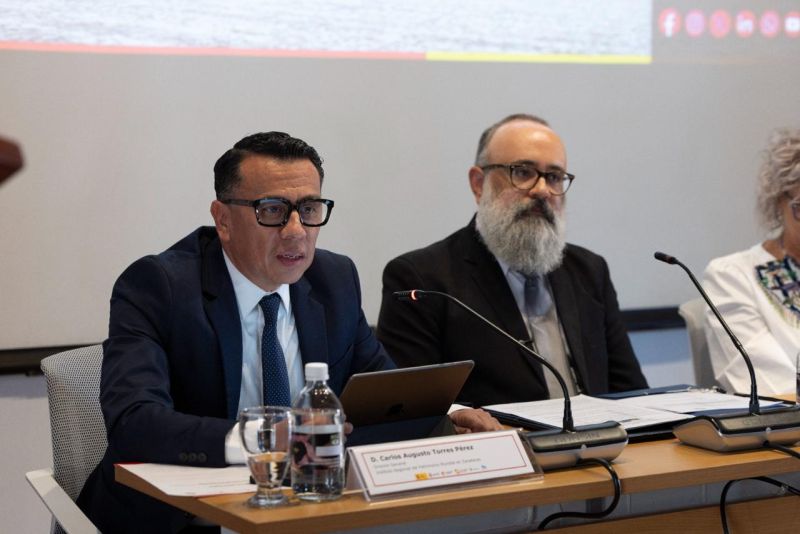
The opening ceremoqny included the participation of Mr. Luis Méndez Salinas, Minister of Culture and Sports, and the Vice Minister of Culture and Sports of Guatemala, Laura Coti Lux; Architect Carlos Augusto Torres Pérez, Director General of the Regional World Heritage Institute in Zacatecas (RWHIZ), a UNESCO Category 2 Center; and Ms. María Fernanda Castellanos, Cultural Officer at UNESCO Guatemala; and Elena Diego Castellanos, Director of the Spanish Cooperation Training Center in Antigua Guatemala, participated in the event. Mauro Rosi, Head of the Latin America and Caribbean Unit at the UNESCO World Heritage Centre, also participated online.
Over two days, thematic workshops were held focusing on effective management, capacity building, education and communication of Outstanding Universal Value, as well as community participation and governance. These sessions combined technical presentations, case studies, and discussion forums, allowing for the identification of common challenges and potential courses of action.
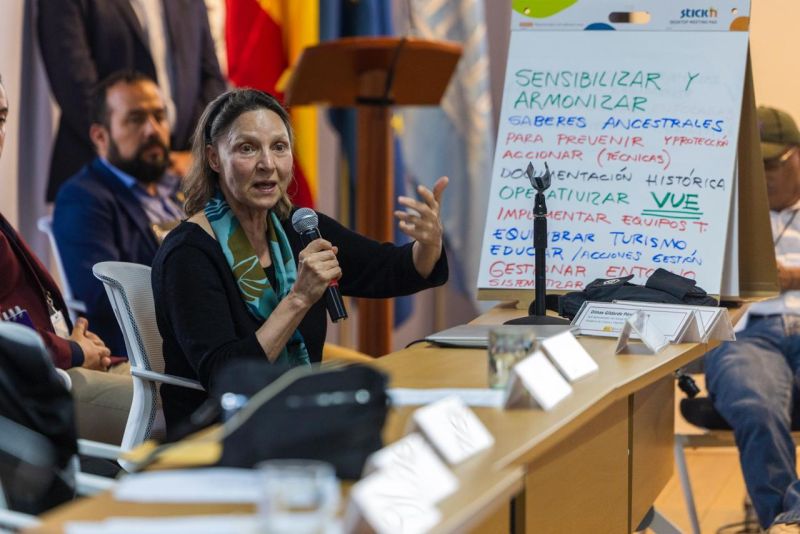
Among the main outcomes of the meeting was the shared understanding of the need to strengthen the capacities of site managers, particularly in the operational understanding of Outstanding Universal Value, informed decision-making—including the use of impact assessments—the application of information technologies for heritage documentation, and its effective communication through approaches such as interpretation and presentation.
The meeting also established a cooperation framework between the Regional World Heritage Institute in Zacatecas (RWHIZ) and Guatemalan cultural institutions. This collaboration includes the development of joint activities this year, as well as the implementation of additional initiatives in 2027, focused on specialized training, exchange of experiences, and technical support.
This first meeting represents a significant step towards strengthening the management of World Heritage in Guatemala, in alignment with the principles of the 1972 Convention, the Action Plan for Latin America and the Caribbean (2023-2029) and the mandate of the Regional World Heritage Institute in Zacatecas (RWHIZ).